
Recently, I posted an entry on the importance of ritual in modern paganism, but what exactly ritual is — now that wasn’t well defined. So, I want to address that here.
Rituals are ubiquitous to paganism; we see the term everywhere from books to spell kits to blog posts. But how can we really define a ritual? What separates it from any other act or rite we perform as practicing pagans? Turns out, this is difficult to define.
Now, as I lean more into writing as a process of self-realization, I’ve concluded that I kinda-sorta dislike being a fact machine. I don’t want to just regurgitating stuff I learn to try and compete with dozens of other websites online that do a far better job than I could and come from people with likely far superior pedigrees.
So, best I can do is tell y’all what I do, why I do it, and let you sort out the rest. There is, after all, no right way. Unfortunately, our ancestors didn’t write their how-tos, but they did hide them, and if we’re clever enough, we might just catch a glimpse.
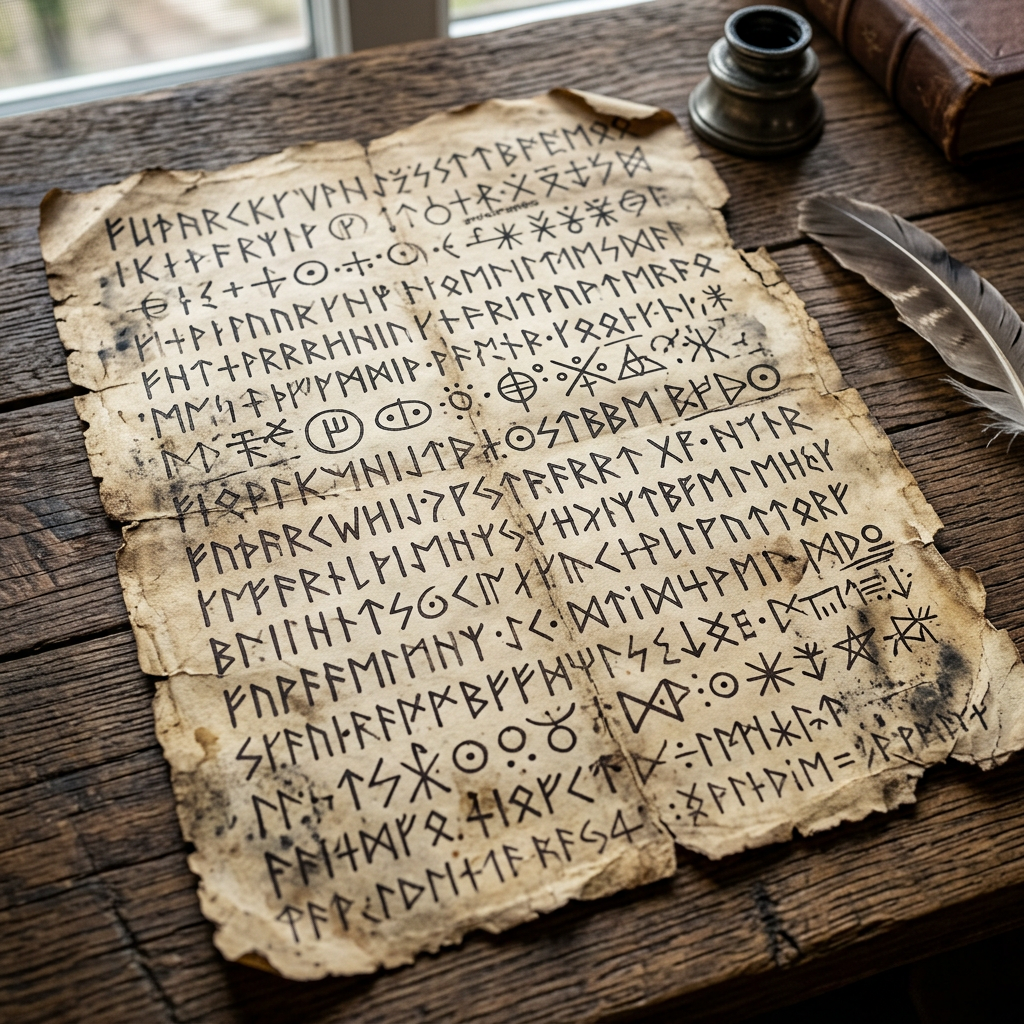
Most of what we know about northern European and Celtic ritual practices comes from outsiders: Christians one or two hundred years after the last pagans converted, or biased Romans propagandizing for the masses to garner favor for their political aspirations.
What can be gleaned, however, from my brief little dig about, is a difference in the how of it. Both rituals and everyday (as in standard acts, not necessarily daily) communal acts were done for similar reasons: forming and strengthening bonds with ancestors, landspirits, and the gods as part of a reciprocal relationship. We can see this in just about every major polytheistic tradition of Europe.
The household offers bread to the spirits of their home and their ancestors by way of simple rites or everyday acts of communion. In return those same entities provide for the safety of the home and all who dwell within.
By contrast, ritual was a performative, often community-wide ceremony. It was structured, choreographed, expressive, and socially reinforcing (in Norse polytheism, for example, the chieftain led these rituals as the local religious leader).
These rituals were done for similar reasons: offerings to the gods, spirits, or ancestors for good harvests, victory in battle, or as witnesses and divine exactors of oaths.
Today, however, we often focus more on solitary over community practice, and thus ritual in modern paganism has moved from the great bonfire and the chieftain’s hall to the home hearth.
Community is still important of course; it’s a central pillar of paganism today, but we are not as connected as perhaps our ancestors once were to the significance of community ritual.
So then, do we need a community to engage in ritual? No, I wouldn’t say we do. We are just as capable of encapsulating the significance of ritual by ourselves as we are in the group setting.
In my eyes, the defining characteristics of ritual, that which separates it from everyday communal acts, are: time, action and intention, and structure.
When I enter into ritual, I am carving out time for the entities I wish to commune with. I am setting aside a period where my focus is on them, on working with them and strengthening my relationship with them.
Time is one of the single most important things we can sacrifice. A prayer or a small offering takes seconds, but ritual — in ritual we often carve out ten-minute, twenty-minute, thirty-minute, even hour-long blocks of time where we dedicate ourselves solely to the task. That is a sacrifice greater than most.
Next, action. This isn’t just mundane action, but, combined with the final point — intention — these intentional acts, almost performative in nature, accentuate the relationship and status of the spiritual and the divine in our lives, placing emphasis and sanctity on what otherwise might be mundane.
The final part of ritual, as I see it, is structure. Rituals are often not simply everyday acts of dedication or routine acknowledgement; they are planned, choreographed, methodical, sequenced. There are steps and stages, and reasons for each, meant to highlight and imbue significance and reverence into the action.
Combined, these create an atmosphere of importance. Ritual in modern paganism grants us an opportunity to hold space with our ancestors, with the land, and with the gods. It becomes powerful and steps away from everyday practice into something more. By combining ritual with our everyday acts, we prevent our practice from becoming mundane and less significant; we stoke the flame that burns within all of us, passionately keeping alive the traditions of our ancestors.
That being said, ritual can be a central and even majority part of one’s practice. Some may even work in the middle ground where their regular practice is more ritualistic and involved, and that’s okay too. The importance lies in allowing our practice to command all of our attention for a time, to work with reverence and intention and honor the old ways.
Leave a Reply